Islam, Reformism, & monarchy in Morocco

Reformism in the Moroccan Constitution: An Islamic lens on uprisings & the rise of anti-monarchical movements
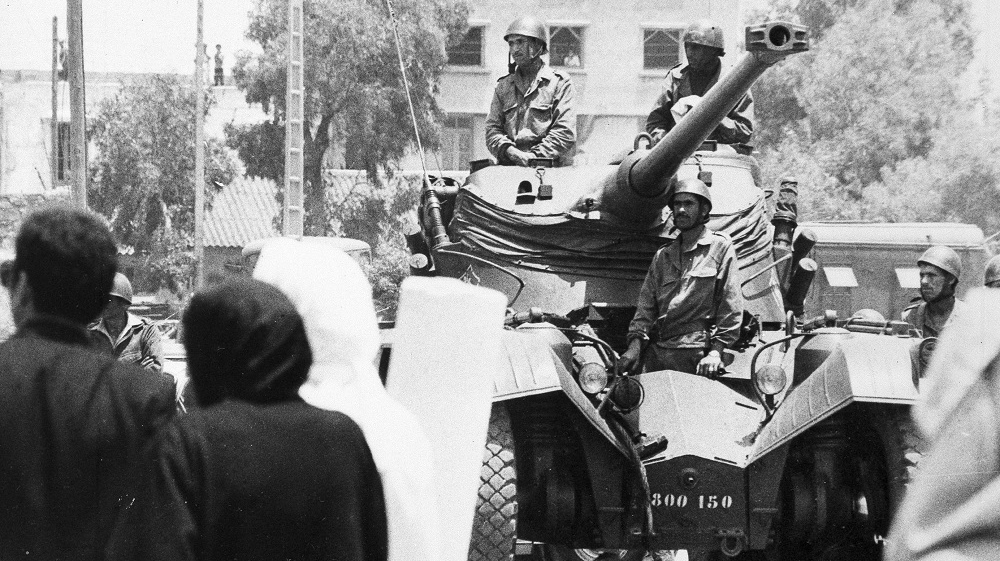
The year is 2011, and the Muslim Arab world is undergoing one of its most significant and transformative periods in contemporary history. As elsewhere throughout North Africa and the Middle East, protests and revolts inspired Moroccans to take to the streets, giving shape to the February 20 movement: a movement of organized rallies denouncing the widespread corruption of the regime and calling for an end to high unemployment, transparency from the judiciary system, an end to censorship, upholding Islamic values, and other demands. This wasn’t the first time Moroccans have challenged their authority; we can look back at the years of lead, the Casablanca and the Rif riots. Yet, Morocco differentiated from its counterparts as the majority of protesters didn’t seek to dethrone King Mohammed VI. Still, 2011 marked a turning point: the question of the King’s place. It was no longer confined to academic and political circles; the ordinary Moroccan now publicly discussed it.
Back in history with Morocco's dynastic past
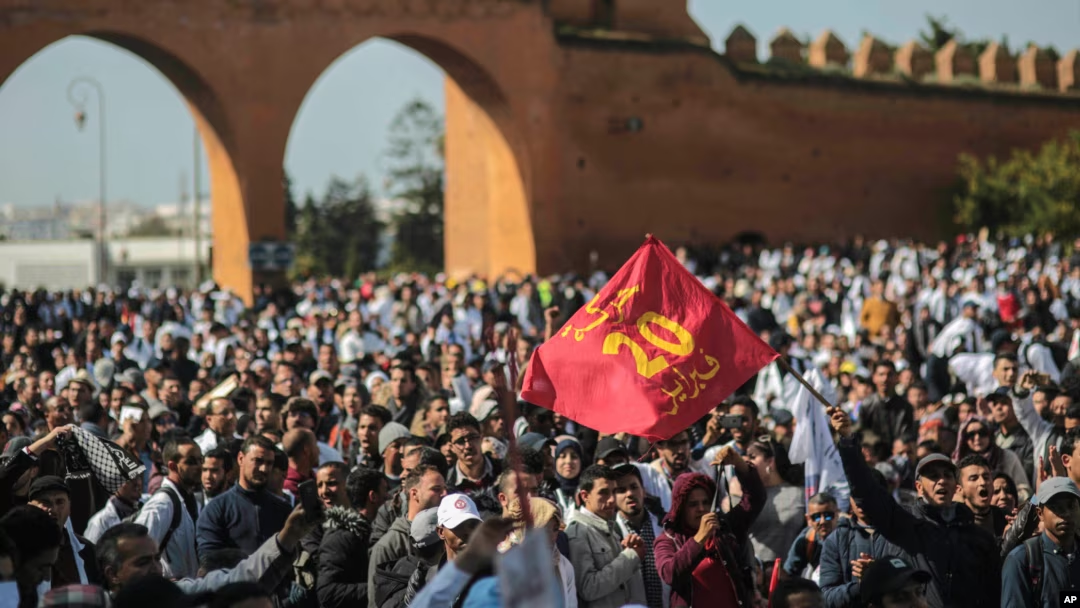
From the Idrissid dynasty to the current Alaoui regime, most of Morocco’s history has been dynastic, but the foundation on which its modern territory is established goes back to the Marinids, a tribal Amazigh dynasty which centralized military and moral authority in Fez, its new capital. Under their rule, Fez flourished, with the creation of Fes Jdid 1, construction of madrassas and mosques, and the “democratization” of the once elitist education system. Despite the inevitable fall of the Marinid dynasty, an important element came to prepare the way for later dynasties till today: Sharifism 2, beyond influence, became a paradigm of political legitimacy.
The Saa’idi dynasty used this model of authority, claiming descent from Ali رضي الله عنه. At its apogee, under the rule of Ahmad Al-Mansur, the authority of the central government became absolute to strengthen his already secured and influential leadership. The Saadian period marked a new phase in the evolution of the Makhzen (royal government), blurring the lines between religious and monarchical sovereignty.
Hassan II & Alaoui Dynasty in the post-colonial years
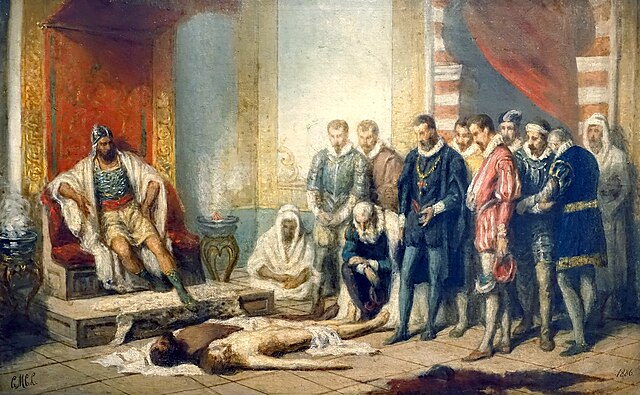
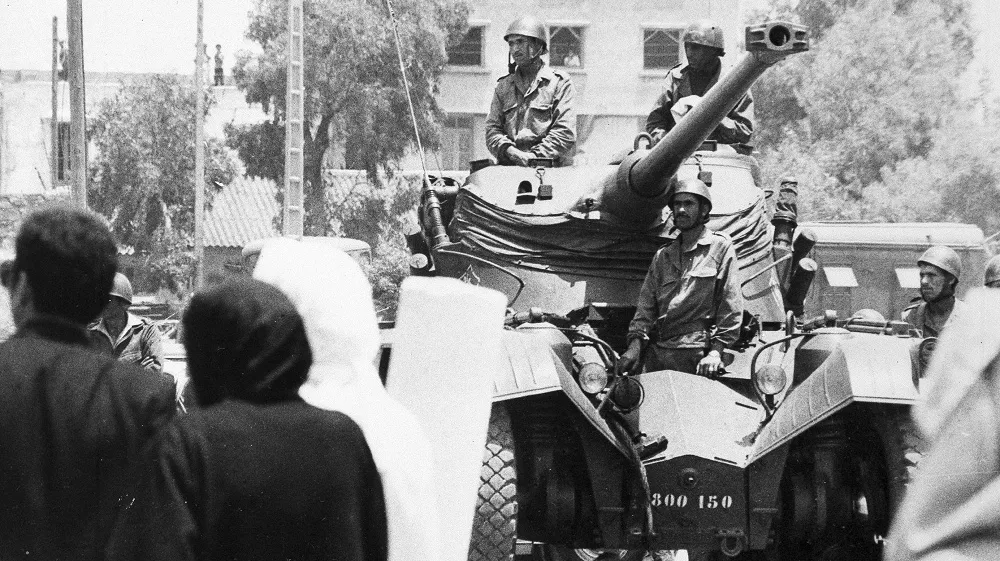
Fast forward to post-colonial independence, in 1956, head of state Mohammed V is now referred to as King. The switch from Sultan to King isn’t significant, but it bestows on him the power and control of an independent ruler. In 1962, the first Moroccan Constitution was adopted under Hassan II’s reign. Although the title of Amīr al-Mu'minīn (Commander of the Faithful) was already used by previous rulers of the country, the 1962 constitution codified it and defined the person of the king as “sacred 3,” as another attempt to confer religious legitimacy. The kingdom allowed a plurality of parties to exist, but it still ensured to maintain its political hegemony through the recreation of the Makhzen in pre-colonial times, where real decisions weren’t the result of party participation, but of the palace. The repression went beyond dissidents and oppositions, but on the people as well. This period is known as the ‘Years of Lead’, with defining events like the 1965 Casablanca massacre, where students protesting the Ministry of Education’s policy of barring students over 18 from entry to the second cycle of Lycée education faced brutal attacks from the military, or the 1981 hunger riots, as the kingdom was getting strained economically.
Tensions were high, and Hassan II needed to respond with something other than war. In 1990, the Consultative Council for Human Rights was established, followed by similar measures, and in 1992, the second constitutional referendum was held, and the year after, the Ministry of Human Rights was created.
Foot Notes:
- Built by the Marinids in 1276 as an extension of the old medina (Fes el-Bali,) and served as a royal citadel and capital.
- Sharifism in pre-colonial Morocco was a system where the shurafā, the people believed to be descendants of the Prophet Muhammad ﷺ, were given special religious and political status in society.
- Article 23 of the Constitution of 1962 .
Sources:
Book & blog sources:
Wagner, D. A., & Lotfi, A. (1980). Traditional Islamic education in Morocco: Sociohistorical and psychological perspectives. Comparative Education Review, 24(2), 238–251. https://doi.org/10.1086/446118
Benomar, J. (1988). The monarchy, the Islamist movement and religious discourse in Morocco. Third World Quarterly, 10(2), 539–555. http://www.jstor.org/stable/3992656
Dalmasso, E., & Cavatorta, F. (2011). Political Islam in Morocco: Negotiating the Kingdom’s liberal space. Contemporary Arab Affairs, 4(4), 484–500. https://www.jstor.org/stable/48599777
Garcia-Arenal, M. (2008). Ahmad al-Mansur: The beginnings of modern Morocco. Oneworld Academic.
Mekouar, M. (2018). Beyond the model reform image: Morocco’s politics of elite co-optation (GIGA Focus Middle East, No. 3). German Institute for Global and Area Studies.
Sater, J. N. (2011, October 1). Morocco’s “Arab” Spring. Middle East Institute. https://www.mei.edu/publications/moroccos-arab-spring
Chambre des Représentants (Morocco). (1962). Constitution de 1962 [PDF]. Retrieved from https://www.chambredesrepresentants.ma/sites/default/files/constitution_1962.pdf