
How Bill C-9 Can Affect Muslim Religious Freedom in Canada?

.png)
How Bill C-9 Will Affect Muslim Religious Freedom in Canada?
Canada has long presented itself as a multicultural democracy that protects religious freedom under the Canadian Charter of Rights and Freedoms, particularly through guarantees of freedom of religion and freedom of expression. For many Muslim immigrants, these protections were central to the decision to settle in Canada. Families came seeking a society where their children could practice Islam openly, establish mosques, teach their religious tradition, and preserve their identity without fear of persecution.
Recent legislative proposals from the federal Liberal government have sparked debate over whether these protections are being restricted. One such proposal is Bill C-9, the Combatting Hate Act, introduced in 2025 to amend Canada’s Criminal Code in response to rising hate crimes and threats against religious institutions.
Following the events of October 7 and rising global tensions, the Canadian government argues the legislation is necessary to protect marginalized communities from hate-motivated violence. Nevertheless, Muslim civil-society organizations, legal scholars, and civil-liberties advocates warn that some provisions of the bill could unintentionally restrict religious expression and weaken constitutional protections (Canadian Muslim Public Affairs Council, 2025; National Council of Canadian Muslims, n.d.).
Overview of Bill C-9
Bill C-9 proposes several major reforms to Canada’s hate-crime framework. The legislation seeks to introduce new criminal offences related to hate-motivated acts and strengthen protections for individuals accessing religious or cultural institutions.
Among its provisions, the bill would:
Criminalize the promotion of hatred through certain symbols
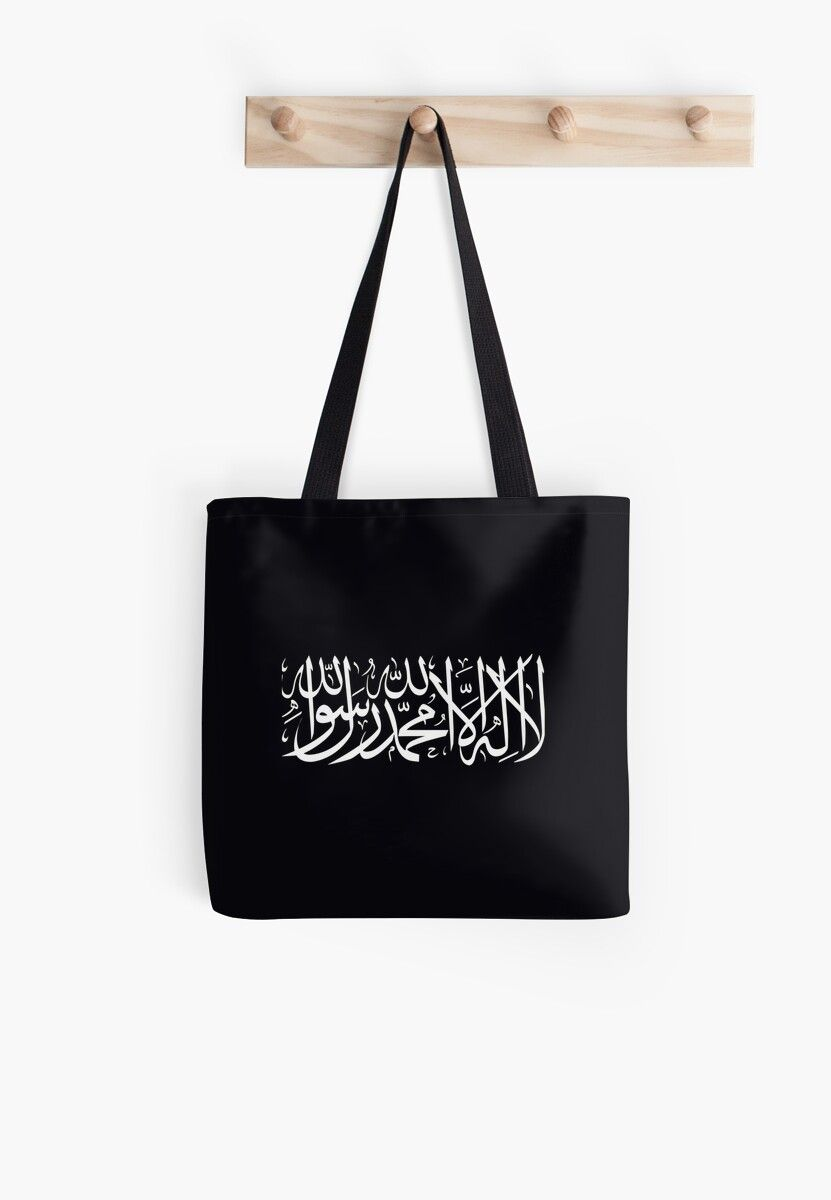
Bill C-9 proposes new offences related to the promotion of hatred through symbols associated with extremist ideology. While the objective is to restrict symbols historically linked to violence or racial supremacy, critics argue that the legislation does not clearly define what constitutes a prohibited symbol. This lack of clarity has raised concerns among Muslim communities. In a highly politicized environment, symbols associated with Muslim identity or political solidarity (such as the Palestinian keffiyeh, Islamic attire like the niqab, a bag with the shahada, or protest imagery related to international conflicts) could potentially be misinterpreted or selectively targeted depending on the political context (McNicoll, 2025). Although it is unlikely that such items would be formally designated as hate symbols, the absence of clear definitions creates legal uncertainty about what constitutes lawful expression.
Creating new hate-crime enhancements
The bill also proposes stronger penalties when existing crimes are motivated by hatred toward an identifiable group. For example, defacing a mosque with Islamophobic graffiti, assaulting a Muslim woman because she wears a hijab, or threatening worshippers entering a religious institution could be prosecuted as hate-motivated crimes. These measures aim to address the documented rise in hate crimes targeting religious minorities in Canada (Government of Canada, 2025). However, critics emphasize that hate-crime legislation must be carefully implemented to ensure expanded definitions do not criminalize controversial but lawful speech.
Criminalizing intimidation near religious institutions
Another provision criminalizes intimidation or obstruction near places used by identifiable groups, including houses of worship, schools, and community centres. Threatening worshippers outside a mosque during Friday prayer or blocking access to a synagogue could constitute criminal offences. While these measures aim to ensure safe access to places of worship, analysts warn that the language of the legislation could also affect lawful demonstrations held near such institutions, potentially creating informal “protest-free zones” (McNicoll, 2025).
Removing the Attorney General consent requirement
Under current Canadian law, hate-propaganda charges require approval from the Attorney General before prosecutors can proceed. Bill C-9 removes this requirement in order to allow charges to be laid more quickly. Supporters argue that this change will enable faster responses to hate speech. Critics, however, note that the Attorney General’s consent historically served as an important safeguard against politically motivated prosecutions (NCCM, n.d.).
Removal of the “Religious Expression” Defence
One of the most controversial aspects of Bill C-9 is the proposed removal of section 319(3)(b) of the Criminal Code, which historically protected the good-faith expression of religious opinions based on sacred texts such as the Qur’an and the Hadith. This defence allowed religious leaders to discuss their theological beliefs without fear that scriptural interpretation would be classified as hate speech. Muslim advocacy organizations argue that eliminating this protection could expose imams, scholars, and educators to legal complaints or investigations when discussing traditional Islamic teachings. The Canadian Muslim Public Affairs Council warns that removing this safeguard could create a “chilling effect” on sermons, religious education, and community discussions (CMPAC, 2025).
For example, an imam delivering a khutbah reminding believers about Islamic moral teachings (such as the importance of modesty, family ethics, or avoiding certain prohibited behaviors) could face accusations that such teachings promote hatred toward particular groups. Even if the intention is purely religious guidance, the absence of the good-faith defence could leave religious speech vulnerable to legal scrutiny.
This concern extends beyond Muslim organizations. Several civil-liberties advocates, Christian groups, and conservative political figures argue that removing the defence weakens protections for theological discourse and religious freedom. At the same time, some organizations, including the Centre for Israel and Jewish Affairs (CIJA), support stronger hate-speech laws to combat rising antisemitism. Critics argue that supporting the removal of protections for religious expression may contradict broader claims of defending religious freedom.

This distinction became visible in the public controversy involving a Montreal imam who faced criticism after making a supplication during a sermon asking Allah to deal with “Zionists.” Supporters argued that the statement targeted a political ideology associated with the policies of the Israeli state, rather than expressing hostility toward Jewish people as a religious or ethnic group. From both a legal and ethical perspective, distinguishing between these two categories is essential. Political speech; such as criticizing Zionism, opposing a government’s military policies, or advocating for Palestinian rights falls within the realm of political expression, which is strongly protected in democratic societies. Hate speech, by contrast, involves the promotion of hostility or violence toward individuals solely because of their identity, such as religion, ethnicity, or race.
Hate-Speech Enforcement
Bill C-9 also expands law-enforcement authority in hate-speech prosecutions by removing the requirement for Attorney General approval before laying hate-propaganda charges.
Supporters argue this change will allow authorities to respond more quickly to individuals who spread hateful rhetoric or incite violence. Critics, however, warn that removing this safeguard increases the risk of selective or politically motivated enforcement (Policy Alternatives, 2025).
Muslim advocacy groups emphasize that Muslims have been disproportionately affected by surveillance and security legislation since 2001 with several counter-terrorism policies that led to increased scrutiny of Muslim charities, mosques, and community organizations. Expanding police authority without strong oversight therefore raises concerns that similar patterns could re-emerge, particularly in a political climate where Muslim activism is sometimes framed through a security lens.
Political Expression and Protest
Another concern surrounding Bill C-9 relates to its potential impact on demonstrations near religious or community institutions. The bill criminalizes intimidation or obstruction around places used by identifiable groups, including places of worship, schools, and community centres. While intended to prevent harassment or violence, analysts warn that these provisions may effectively create “protest-free zones” around certain locations (Policy Alternatives, 2025).
For Muslim Canadians, this issue intersects with activism surrounding global issues such as Palestine. In recent years, many demonstrations supporting Palestinian human rights have taken place near public institutions or community spaces. Under a broadly interpreted law, peaceful protests (such as gatherings displaying Palestinian flags or wearing keffiyehs) could be framed as intimidation depending on how authorities interpret the context. Civil-society organizations warn that such ambiguity could discourage lawful advocacy and political participation if individuals fear legal consequences for exercising their constitutional rights (CMPAC, 2025).
Broader Context
The debate surrounding Bill C-9 occurs within a broader context of rising concerns about both hate crimes and civil liberties in Canada.
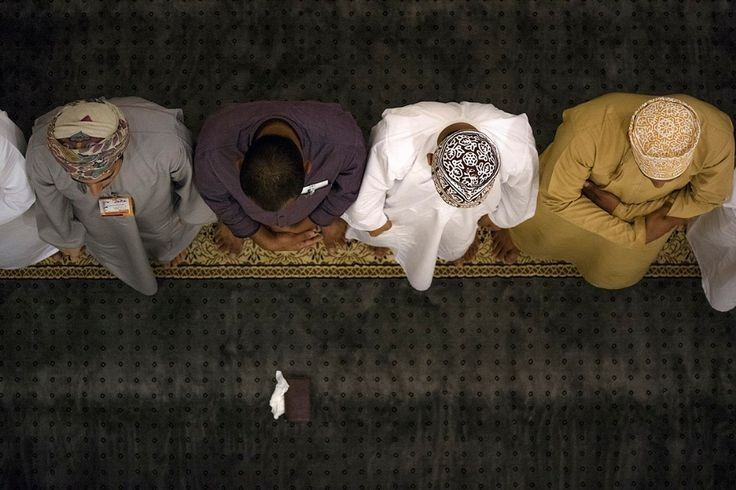
There is no doubt that hate crimes targeting Muslims have increased in recent years. Tragic incidents such as the 2021 London, Ontario attack, where a Muslim family was martyred in a hate-motivated act of violence, illustrate the urgent need for policies that protect religious minorities. At the same time, Muslim communities remain cautious about legislation that expands state authority without sufficient safeguards.
From an Islamic perspective, preserving the ability of scholars and communities to transmit the teachings of Islam without distortion is a fundamental religious obligation. The challenge is therefore not only political but also religious: to engage constructively in the public sphere while ensuring that the teachings of Islam continue to be conveyed faithfully, without dilution or self-censorship.
REFERENCES
Web Sources:
Canadian Muslim Public Affairs Council. (2025). Open letter: Immediate call for rejection of Bill C-9 and the Criminal Code amendment eliminating the good faith defence.
Canadian Muslim Public Affairs Council. (2025). Joint statement by Muslim & Palestinian civil society rejecting Bill C-9.
Department of Justice Canada. (2025). Combatting Hate Act: Proposed legislation to protect communities against hate.
Justice Canada. (2025). Charter statement: Bill C-9 – An Act to amend the Criminal Code (hate propaganda, hate crime and access to religious or cultural places).
McNicoll, A. B. (2025). The Combatting Hate Act is part of a wave of anti-protest legislation in Canada. Canadian Centre for Policy Alternatives.